
Why You'll Love This Recipe
- Miso Soup is incredibly easy to prepare, making it perfect for busy weeknights.
- Its rich umami flavor profile will impress even the pickiest eaters at your table.
- The vibrant colors and textures create an eye-catching presentation that will leave everyone asking for seconds.
- Versatile enough to adapt with various vegetables or proteins, it suits all dietary preferences seamlessly.
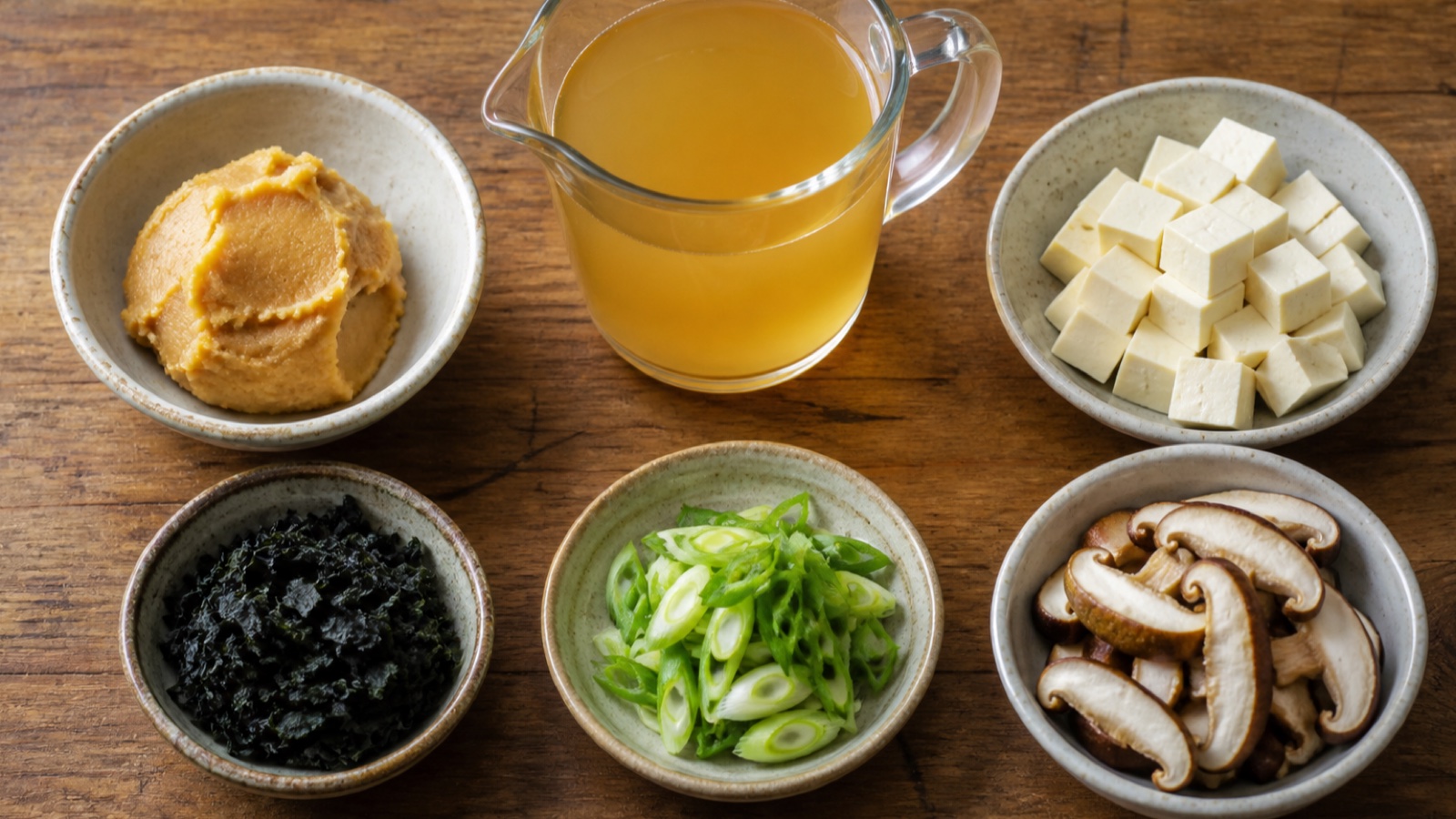
Ingredients for MISO SOUP
Here's what you'll need to make this delicious dish:- Miso Paste: This fermented soybean paste is the star ingredient, providing the signature umami flavor. Choose between white or red miso based on your taste preference.
- Dashi Broth: A Japanese stock made from kombu (seaweed) and bonito flakes that adds depth to the soup's flavor.
- Tofu: Silken or firm tofu adds protein and texture; choose based on how you prefer it in your soup.
- Green Onions: Chopped green onions add freshness and color to the dish; they are best used raw for maximum flavor.
- Seaweed (Wakame): This edible seaweed rehydrates beautifully and complements the soup's flavors while providing additional nutrients.
How to Make MISO SOUP
Follow these simple steps to prepare this delicious dish:
Step 1: Prepare the Dashi Broth
Start by making your dashi broth. In a pot, combine water with kombu and bonito flakes, bringing it to a gentle simmer. Let it steep for about 10 minutes before straining out the solids.
Step 2: Add Seaweed
Once your dashi broth is ready, stir in some dried wakame seaweed. Let it soak in the warm broth for about five minutes until it's tender and expands like it's doing yoga.
Step 3: Incorporate Tofu
Cut your tofu into bite-sized cubes—silken tofu may require extra care not to break apart too much—and gently fold them into the pot. Let them warm through without boiling.
Step 4: Mix in Miso Paste
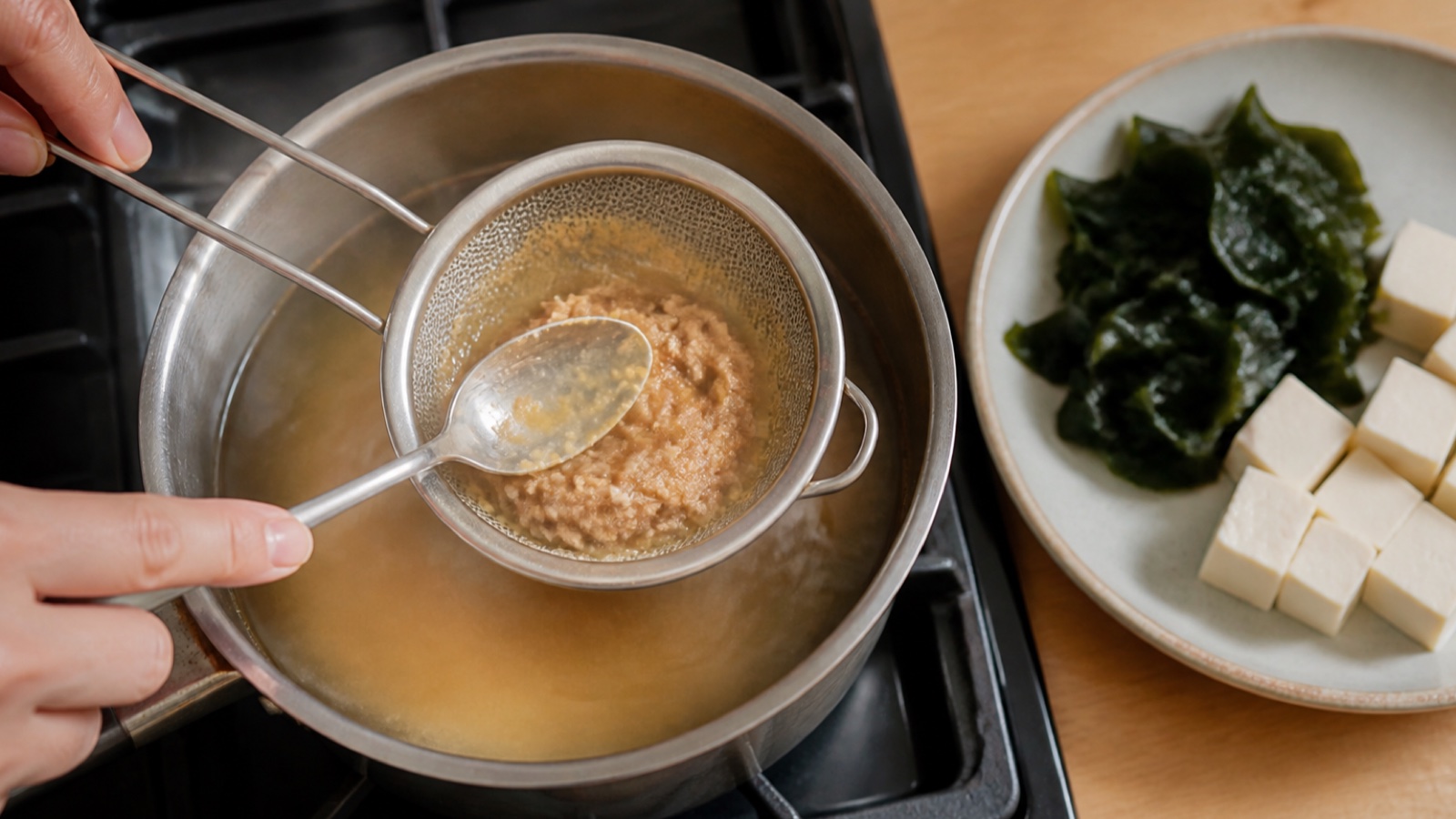
Take a ladle of hot broth and mix it with miso paste in a separate bowl until smooth. Then pour it back into the pot slowly while stirring gently. This helps prevent clumps from forming!
Step 5: Garnish
Once everything is mixed together and warmed nicely, turn off the heat. Sprinkle chopped green onions over each serving for that fresh pop of flavor.
Step 6: Serve Your Creation
Ladle the hot soup into bowls and enjoy every sip! Pair it with rice or sushi rolls if you're feeling fancy.
Transfer to plates and drizzle with sauce for the perfect finishing touch.
You Must Know
- This delightful MISO SOUP is not just a comforting bowl of warmth; it’s also incredibly versatile.
- You can easily adjust the ingredients based on what you have in your pantry.
- Its rich umami flavor makes it a star on any dinner table, whether it's a cozy night in or a fancy gathering.
Perfecting the Cooking Process
To whip up the best MISO SOUP, start by simmering the dashi stock for depth. Then, add your veggies and tofu, allowing them to soak in all that delicious flavor. Finally, stir in the miso paste just before serving to preserve its vibrant taste.Add Your Touch
Customize your MISO SOUP by swapping out the vegetables or adding ingredients like mushrooms or green onions. For an extra kick, try tossing in some chili flakes or a splash of soy sauce for a personalized flavor explosion.Storing & Reheating
Store leftover MISO SOUP in an airtight container in the fridge for up to three days. When reheating, do so gently on low heat to maintain the delicate flavors and avoid boiling away that wonderful miso essence.Chef's Helpful Tips
- For perfect MISO SOUP every time, remember to use freshly made dashi for maximum umami flavor.
- Avoid boiling after adding miso paste to keep its health benefits intact.
- Experiment with different toppings like seaweed or sesame seeds for added texture and taste.
FAQs :
What is MISO SOUP?
MISO SOUP is a traditional Japanese soup made from fermented soybean paste called miso. It typically includes ingredients like tofu, seaweed, and green onions. This comforting dish is not only delicious but also packed with nutrients. pair it with a comforting soup The base of the soup is usually dashi, a simple broth made from kombu (seaweed) and bonito flakes. MISO SOUP serves as an excellent starter for many Japanese meals, rich in umami flavors that enhance the dining experience.How do you make MISO SOUP?
To make MISO SOUP, start by preparing dashi broth using kombu and bonito flakes. Once the broth is ready, add cubed tofu and wakame seaweed. After bringing it to a gentle simmer, remove it from heat, then stir in the miso paste until it dissolves completely. Finally, garnish with sliced green onions. This recipe can be customized with vegetables or proteins according to your preferences for added flavor and nutrition.Is MISO SOUP healthy?
Yes, MISO SOUP is very healthy! It contains probiotics from fermented miso, which can support gut health. Additionally, tofu provides a good source of protein while seaweed contributes essential vitamins and minerals such as iodine and calcium. The low calorie count makes it an excellent option for those watching their weight. Including MISO SOUP in your diet can promote overall well-being while adding variety to your meals.Can I store leftover MISO SOUP?
You can store leftover MISO SOUP in an airtight container in the refrigerator for about three days. However, it's best to keep the miso paste separate until you're ready to enjoy it again. Reheat the soup gently on the stove; avoid boiling it to maintain its flavor and nutrients. If you find that the soup has thickened during storage, feel free to add a little water or broth when reheating for the perfect consistency.Conclusion for MISO SOUP :
In summary, MISO SOUP is a nutritious and flavorful addition to any meal. Its simple ingredients allow for variations based on personal preference while maintaining its core essence. With benefits like probiotics and essential nutrients from tofu and seaweed, this traditional dish promotes health as well as satisfaction. Whether enjoyed as a starter or main course, making MISO SOUP at home offers both ease and deliciousness every time you serve it!
Miso Soup
- Total Time: 30 minutes
- Yield: Serves 4
Description
Miso Soup is a soothing Japanese classic that brings warmth and rich umami flavors to your table. This quick and easy recipe combines silky miso paste, hearty tofu, and nutrient-rich wakame seaweed in a flavorful dashi broth. Perfect for busy weeknights or cozy gatherings, Miso Soup can be customized with various vegetables or proteins to suit your taste. Each bowl serves as a delicious hug for your soul, making it an ideal addition to any meal.
Ingredients
- 3 cups water
- 1 piece kombu (about 4 inches)
- ½ cup bonito flakes
- ¼ cup dried wakame seaweed
- 1 cup cubed silken tofu
- 3 tablespoons miso paste (white or red)
- 2 green onions, sliced
Instructions
- Prepare the dashi broth: In a pot, combine water, kombu, and bonito flakes. Simmer gently for about 10 minutes, then strain out solids.
- Add wakame seaweed to the dashi broth and let it soak for about five minutes until tender.
- Gently fold in the cubed tofu and warm through without boiling.
- Mix miso paste with a ladle of hot broth in a separate bowl until smooth; stir it back into the pot slowly.
- Turn off the heat and garnish with sliced green onions before serving.
- Prep Time: 15 minutes
- Cook Time: 15 minutes
- Category: Soup
- Method: Simmering
- Cuisine: Japanese
Nutrition
- Serving Size: 1 bowl (approx. 250g)
- Calories: 120
- Sugar: 2g
- Sodium: 800mg
- Fat: 5g
- Saturated Fat: 1g
- Unsaturated Fat: 3g
- Trans Fat: 0g
- Carbohydrates: 12g
- Fiber: 2g
- Protein: 8g
- Cholesterol: 0mg
Keywords: Customize your Miso Soup by adding vegetables like mushrooms or spinach for extra nutrition. For added depth of flavor, consider using homemade dashi broth instead of store-bought. Store leftovers in an airtight container in the refrigerator for up to three days.


